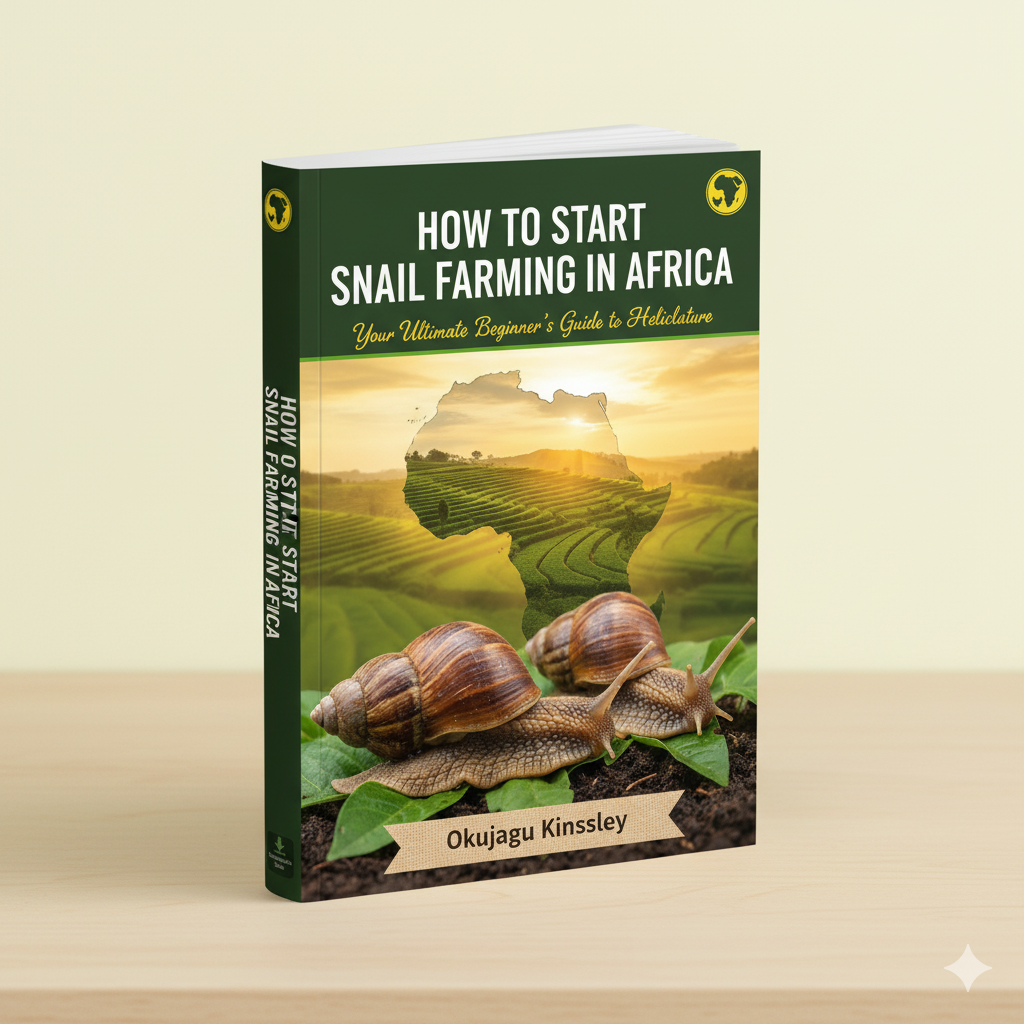












How to Start Snail Farming in Africa: A Beginner’s Guide Leave a comment
Introduction to Snail Farming
Snail Farming: A Promising African Venture Snail farming, or heliculture, is a growing agricultural practice in Africa. It attracts interest because it is sustainable and offers economic benefits. Farmers cultivate snails for various purposes. For example, they use them for food, cosmetics, and pharmaceuticals. Demand for snail products is rising, so this guide provides essential insights for beginners.
Why Snails are Ideal Understanding basic snail biology is key to successful farming. Snails are mollusks; they have soft bodies and spiral shells. They thrive in warm, humid climates. Therefore, many African countries suit their cultivation. Farmers commonly grow species like the African giant land snail (Achatina fulica) and the Helix aspersa. In fact, these species grow quickly and adapt well. People favor these species for their nutritional value: they are rich in protein, low in fat, and full of essential vitamins.
Economic Benefits First, a major advantage is the low startup cost compared to other livestock farming. Snails need minimal space. Thus, farmers can raise them in various environments, like backyards or small farms. Furthermore, snails reproduce quickly, allowing for fast returns on investment. Since snails reproduce multiple times a year, proper management helps farmers significantly increase their stock. Finally, the global market for snail products is expanding, giving African producers lucrative opportunities.
This guide is a vital resource for anyone starting out. It covers best practices, essential equipment, and management techniques. This empowers aspiring farmers to make informed decisions in this exciting agricultural business.
Setting Up Your Snail Farm
Choosing the Right Location Establishing a snail farm begins with picking the right spot. You need a good site for successful snail growth and reproduction. First, consider factors like climate, terrain, and access to resources. Snails thrive in warm, humid places. Therefore, choose areas with mild temperatures and enough rainfall. In addition, select an accessible location. This helps with convenient transport and marketing of your products.
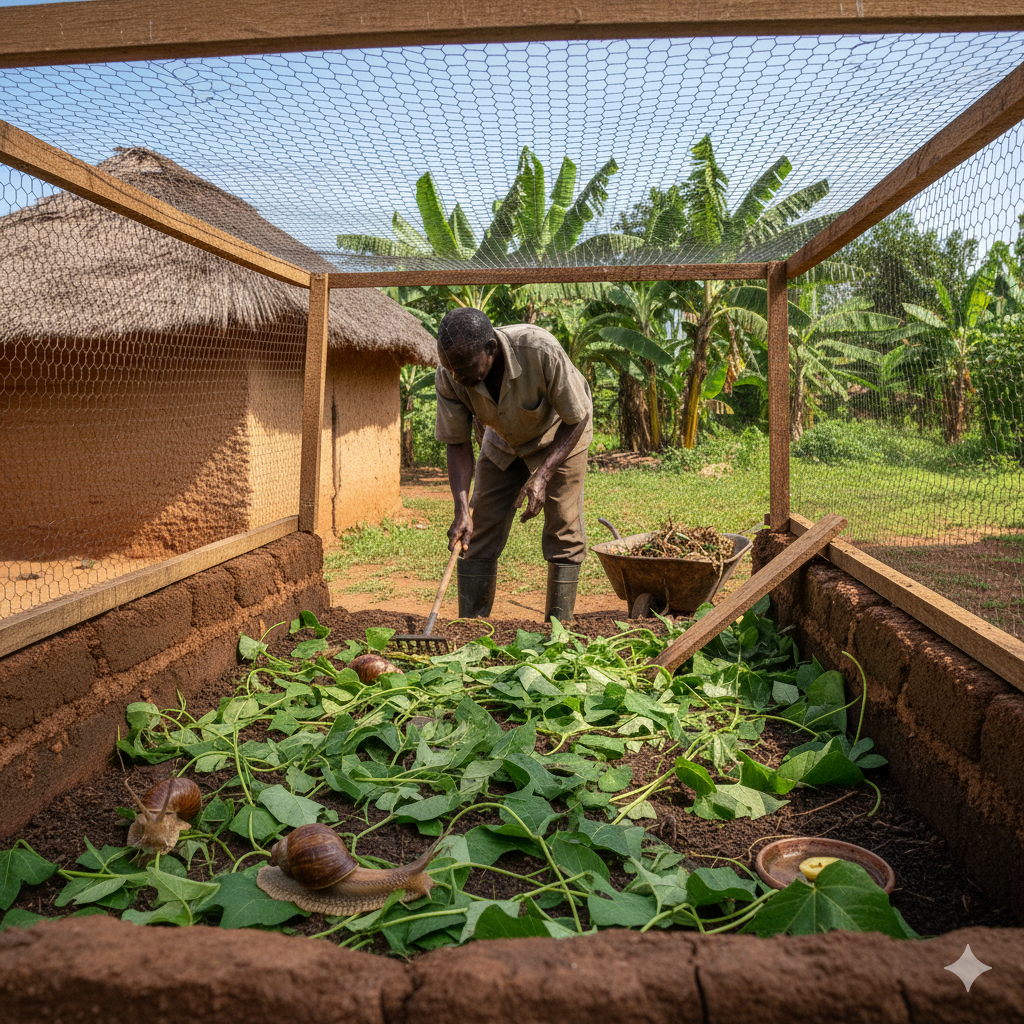
Designing the Layout and Housing Next, designing an efficient farm layout is key. The layout must allow for easy movement between sections, including breeding and harvesting areas. Make sure snails have ample space to roam. Overcrowding causes stress and poor growth. A structured layout helps you manage operations, such as feeding, watering, and monitoring snail health. Housing is vital for keeping an optimal environment. You can use various types of housing, like wooden or concrete structures. They must protect snails from predators and bad weather. Furthermore, the design must include ventilation. This allows air to move while keeping the right moisture levels. Snails need rich, loamy soil for digging and nesting.
Pest Control and Management Finally, pest control safeguards your snail population. You must regularly monitor for pests and diseases to reduce risks. Develop a management plan covering soil, access, and pest control. This plan is vital for a thriving, sustainable snail farming operation in Africa.
Feeding and Maintaining Snails
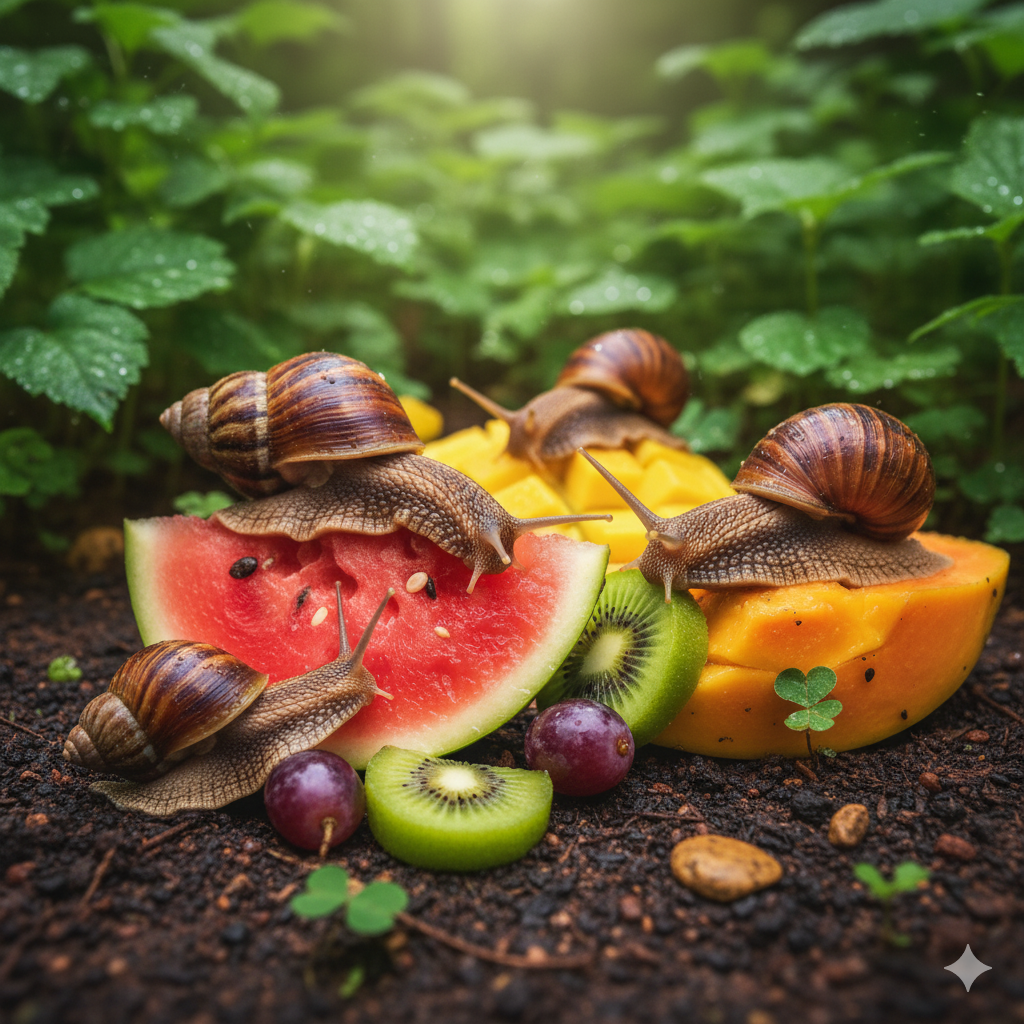
The Snail’s Diet To ensure healthy growth and reproduction, you must pay close attention to the snails’ dietary needs. Snails are herbivores. They thrive on a diet rich in calcium and key nutrients. They mainly eat leafy vegetables, fruits, and decaying plants. For instance, common foods include cabbage, lettuce, spinach, and carrots. These foods not only provide nourishment but also give snails the minerals needed for strong shells.
Using Commercial Feeds However, commercial feed is also popular among farmers. This is due to its convenience and efficiency. Specialists formulate these feeds to meet the snails’ exact dietary needs. This ensures they get enough protein, energy, and vitamins. We advise you to supplement their diet with mineral additives. Crucially, add calcium for shell development. A balanced diet promotes both growth and higher reproduction rates.
Hygiene and Health Checks Maintaining a healthy environment means more than just feeding. You must regularly check their health to spot any signs of illness or distress. Observing their behavior or physical changes helps with early detection. Moreover, you must establish strict sanitation practices. This prevents the spread of diseases. Specifically, keep feeding areas clean, remove waste quickly, and maintain proper moisture levels.
Environmental Monitoring Likewise, monitoring environmental conditions is critical. Factors like humidity, temperature, and light heavily influence the snails’ well-being. Keeping these conditions optimal supports strong growth and successful reproduction. By using good feeding and diligent maintenance, farmers cultivate a thriving snail operation.
Marketing and Selling Your Snail Products
Identifying Your Buyers You need strong marketing and selling strategies for success in Africa. First, you must identify your target market. Customers include local restaurants, grocery stores, and health-conscious consumers. These buyers want sustainable, organic food. Understanding their preferences helps you tailor your marketing approach. Market research tells you which products people demand: fresh snails, snail meat, or snail slime for cosmetics.
Using Digital Platforms Also, use social media platforms for powerful promotion. Create engaging content about snail farming. This raises awareness of the snails’ nutritional benefits and eco-sustainability. Platforms like Instagram and Facebook work well for sharing photos, videos, and recipes. Moreover, these platforms allow direct communication with potential customers. You can gather feedback and build strong relationships this way.
Pricing and Partnerships Establishing partnerships with local businesses boosts your sales. Work with restaurants that serve local specialties. Partner with health food stores focused on organic products. This creates mutually beneficial relationships. Offering samples or hosting tasting events also gains market traction. Furthermore, understanding pricing strategies is vital. Analyze competitors and factor in all your costs (production, transport, marketing). This helps you set prices that maximize profit while still attracting buyers.
Final Resources Finally, aspiring snail farmers should use available resources. Look for local agricultural extension services and farming associations. You can find a wealth of information on online platforms. This includes our recommended eBook for further guidance. For instance, a helpful YouTube video exploring marketing strategies is also available for visual learners. Embracing these approaches leads to successfully marketing and selling your snail products in Africa.
Watch how to do it on
click the link to subscribe to our youtube channel